What’s in this story?
For many dogs, chewing isn't simply about getting a tasty snack. It is an enjoyable activity that can provide enrichment, keep them occupied, and satisfy their natural desire to chew. That is one reason beef trachea has become a popular natural dog treat.
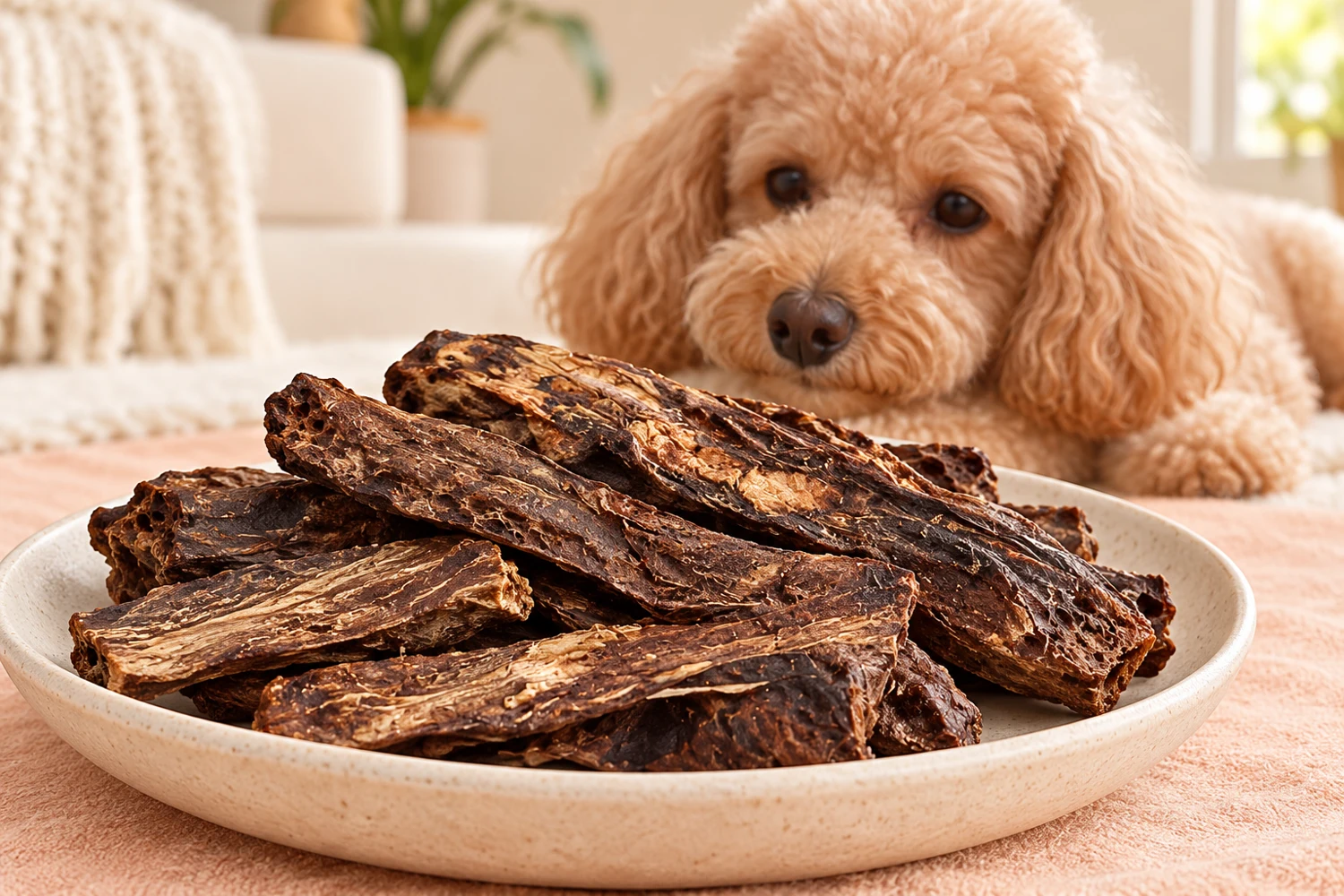
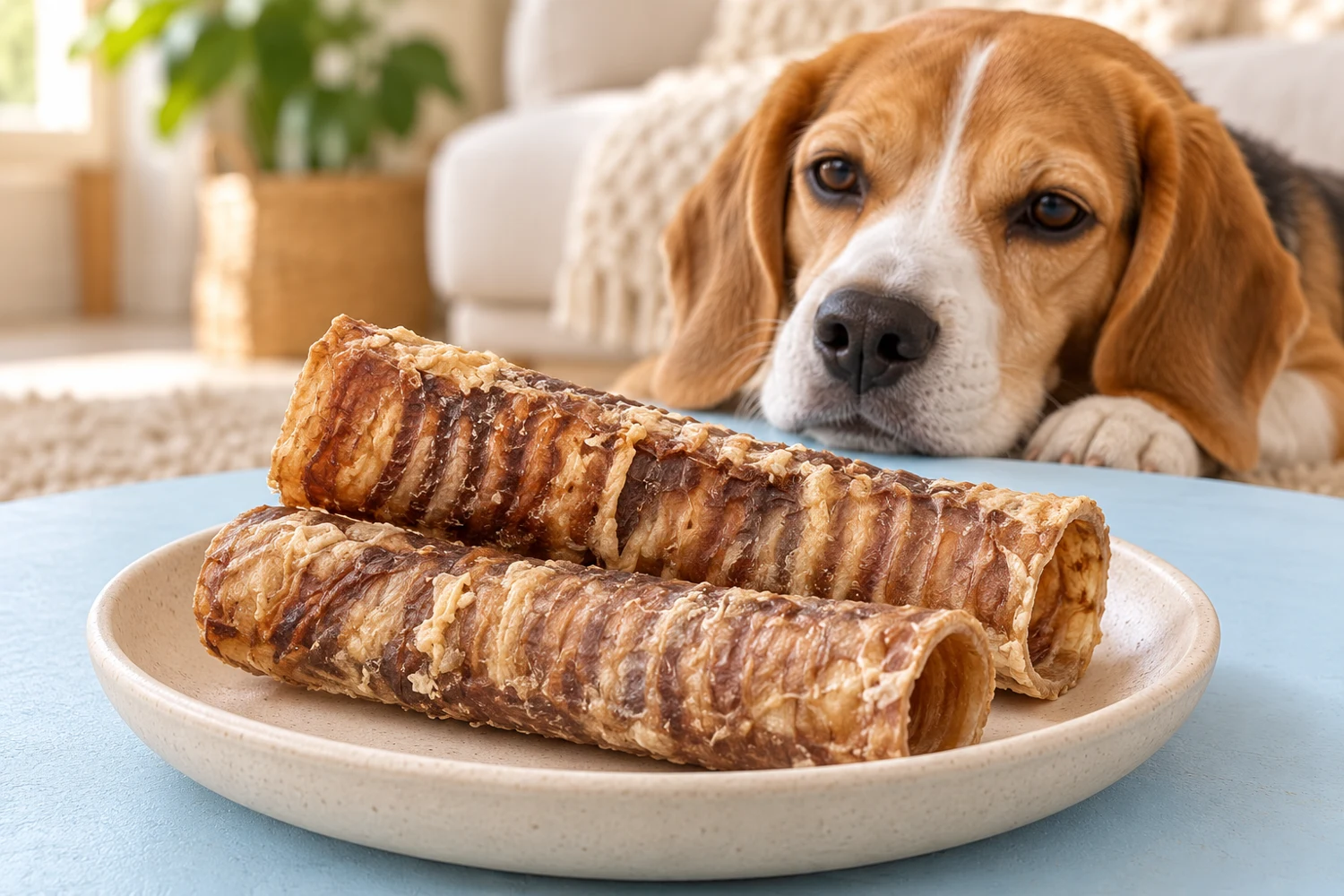
Made from the windpipe of cattle, beef trachea has a distinctive crunchy, chewy texture and naturally contains cartilage and connective tissue. When properly prepared as a dog treat, it can offer dogs an appealing alternative to highly processed snacks.
So, what makes beef trachea worth considering for your dog's treat rotation?
1. A Naturally Appealing, Protein-Rich Treat
Beef trachea is an animal-based chew containing protein and connective tissue. Its natural beef aroma, flavor, and texture can make it particularly appealing to dogs.
For pet parents looking to simplify their dog's treats, a single-ingredient beef trachea chew can also be an attractive choice—especially when it contains no unnecessary artificial flavors, colors, or fillers.
Always check the individual product label, however, since ingredients and processing methods can differ between manufacturers.
2. Naturally Contains Cartilage and Connective Tissue
One of the characteristics that makes beef trachea different from ordinary dog biscuits is its cartilage.
Cartilage naturally contains compounds associated with connective tissue, including collagen, glucosamine, and chondroitin. These substances are commonly associated with cartilage and joint structure.
That doesn't mean a beef trachea treat should be considered a treatment for arthritis or other joint conditions. The amount of these compounds can vary considerably, and a chew isn't a substitute for veterinary care or a properly formulated joint supplement.
Think of it instead as a natural chew that happens to contain cartilage-derived components as part of the food itself.
3. Chewing Provides Enrichment
Dogs have a natural desire to chew. Providing an appropriate chew gives them an enjoyable activity and can help keep them occupied.
A beef trachea's combination of crunchiness and chewiness can make snack time more engaging than simply eating a small biscuit.
This can turn treat time into an opportunity for mental stimulation, chewing satisfaction, and positive interaction with their owner.
4. Chewing May Help with Mechanical Cleaning
The physical action of chewing can create friction against the teeth. That mechanical action may help remove some loose food debris and surface buildup.
However, beef trachea should not be promoted as a replacement for brushing or professional veterinary dental care. Regular tooth brushing with dog-appropriate products remains a much more reliable component of canine dental hygiene.
In other words, think of chewing as an enjoyable activity that may provide some mechanical cleaning—not as a canine toothbrush.
5. An Interesting Alternative to Traditional Chews
Some dogs quickly lose interest in conventional biscuits. Beef trachea offers something different: an unusual shape, natural aroma and a combination of crunchy and chewy textures.
Depending on the dog's size and chewing style, trachea can also provide a more engaging experience than treats that disappear in a few seconds.
For households that rotate different natural chews—such as beef lung, chicken feet and other animal-based treats—beef trachea can add another texture and experience to the dog's treat selection.
6. Useful as an Occasional Reward
Beef trachea doesn't have to be an everyday food. It can simply be offered as a special reward or recreational chew.
Treats should form only a limited portion of a dog's overall diet so that they don't displace nutritionally complete food or contribute excessive calories.
The appropriate amount depends on factors such as your dog's size, age, activity level, health and regular diet.
Choosing Beef Trachea for Your Dog
Quality matters when choosing any animal-based chew. Look for products with clearly identified ingredients and transparent labeling. If the product is advertised as a single-ingredient treat, the ingredient list should support that claim.
Introduce a new treat gradually, particularly if your dog has a sensitive digestive system.
And, as with any chew, supervision is important. Choose a size appropriate for your dog, provide fresh drinking water, and remove pieces that become small enough to swallow whole. Aggressive gulpers or dogs with dental problems may not be suitable candidates for certain hard or chewy treats.
Dogs with food allergies, digestive conditions, pancreatitis, weight-management requirements or other medical issues should have new treats discussed with their veterinarian.
Back to Their Nature
Sometimes the simplest treats are the most interesting.
Beef trachea combines the natural taste dogs enjoy with an engaging chewing experience and naturally occurring cartilage and connective tissue. For pet parents seeking a less complicated approach to treating their dogs, a carefully sourced, appropriately prepared beef trachea can make an appealing addition to the treat rotation.
Natural texture. Satisfying chewing. A treat dogs can get excited about.
Because sometimes happiness really can be as simple as a good chew.